
Indra
Public Transportation Management System for Indra
We are working to streamline the management of public transportation in an area of Australia (train, subway, and bus) through a real-time management system.
The challenge
The challenge was to develop a centralized management system for the real-time monitoring and tracking of bus, train, and subway networks in an area of Australia.
The project
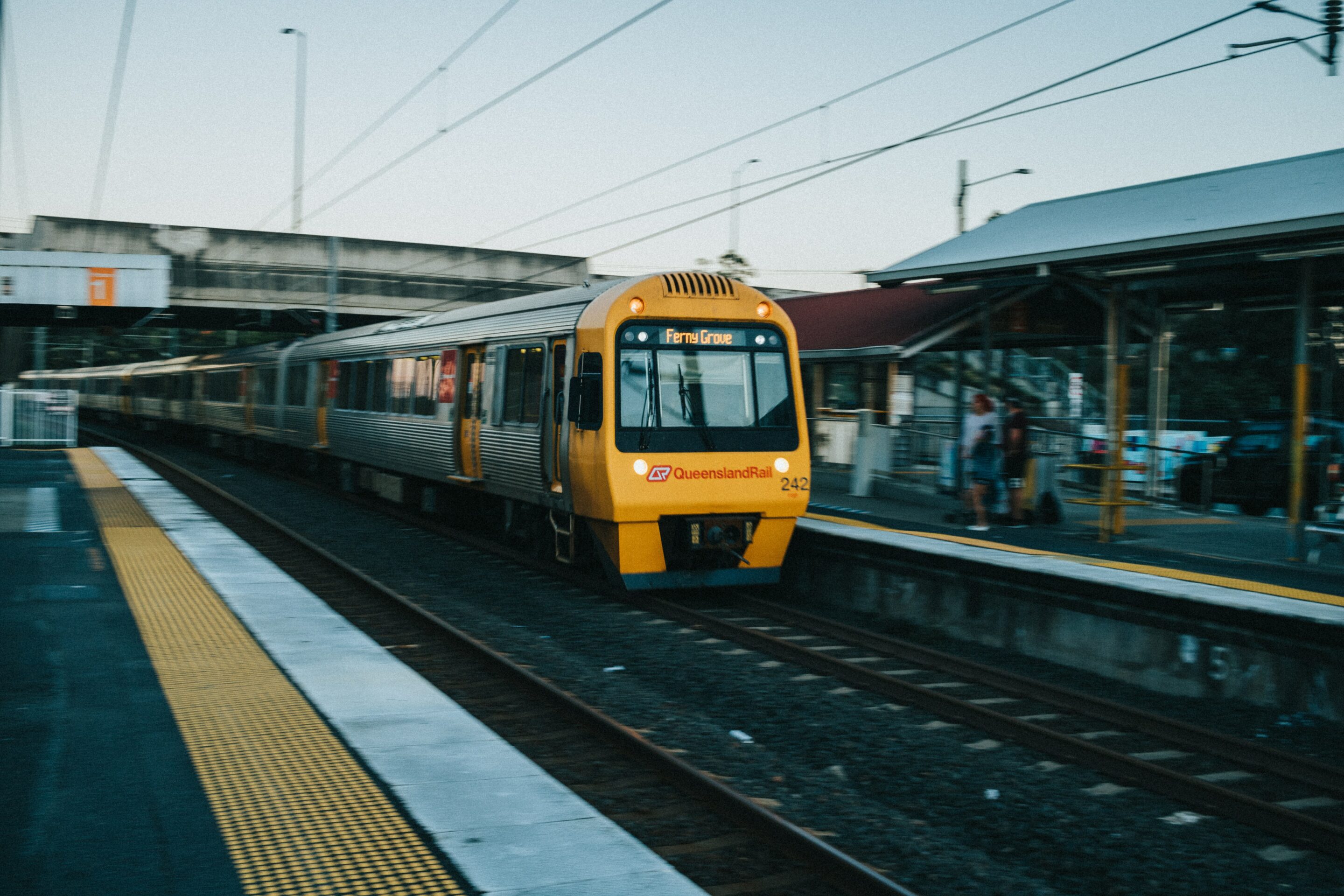
With regard to urban mobility, efficiency and agility in the management of public transportation are fundamental to guaranteeing a fluid experience for passengers and facilitating the work of drivers.
In the region for which we developed the system together with Indra, there was a need for an advanced solution that could centralize and optimize the supervision and tracking of bus, train, and subway networks in real time.
The keys to development
01
Backend in Java with microservices
We work with Java and Spring Boot, establishing a microservices architecture. In this way, we divide the application into small, independent services, gaining greater flexibility.
02
Frontend in Angular with microapplications
We divide the frontend interface into microapplications, that is, modules that correspond to each functionality. With this, we achieve greater modularity, agility, and flexibility, both in development and for the end user.
03
DDD (Domain-Driven Design)
We follow this approach, focusing on thoroughly understanding the situation and operation of these transportation systems, thanks to which we can adapt the software very specifically.
The Solution
We developed a solution with two pillars: on the one hand, the centralized management system; on the other hand, the programming of the terminals embedded within each of the vehicles, so that each driver can contribute to them.
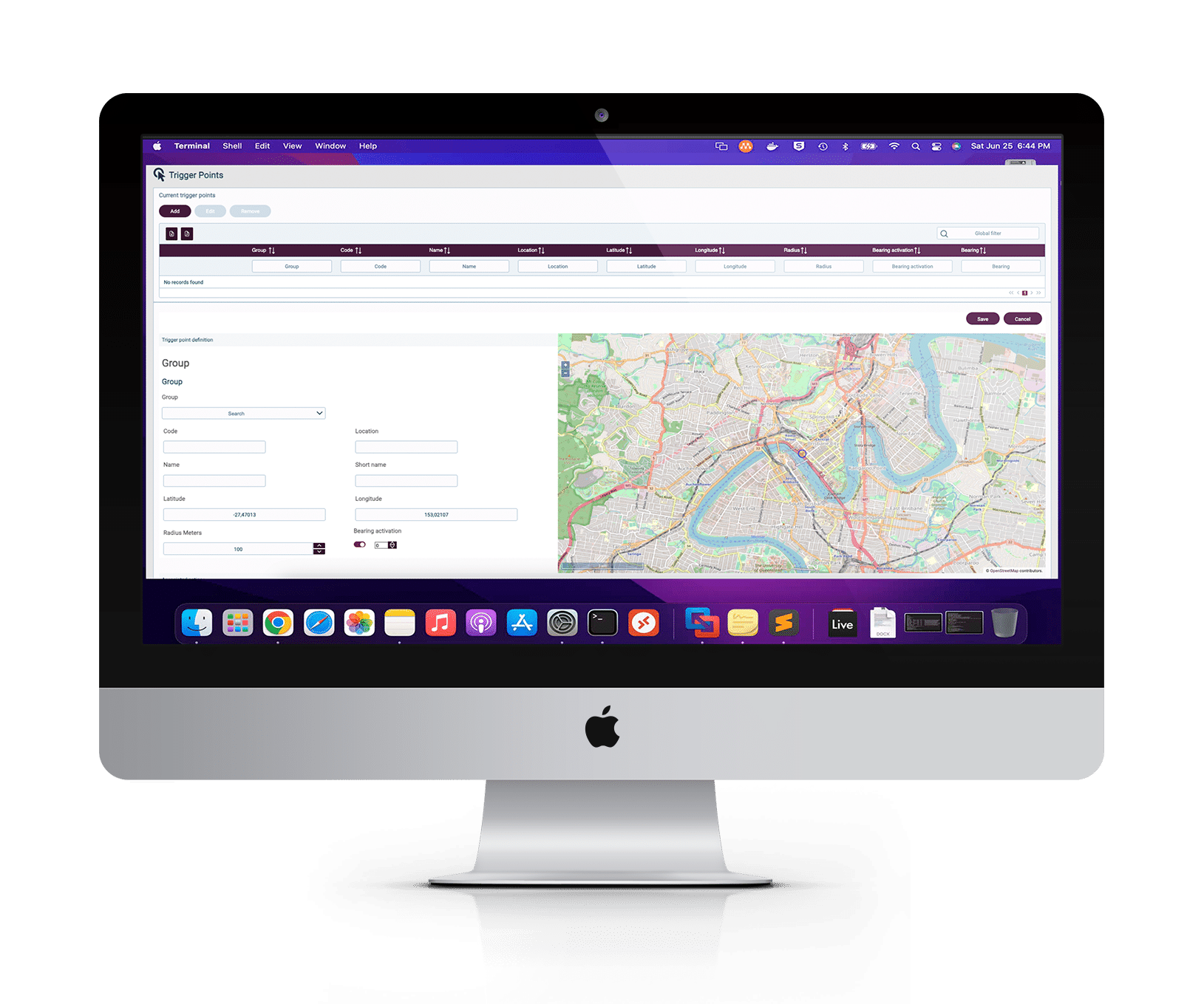
Through this application, an alert system is generated that works practically in real time. From the administrative application, the situation of each of the vehicles can be visualized through a map component. With it, you can interact dynamically and reactively, as well as control the status of all vehicles as they pass.
All drivers who are part of the network can release data about their current situation and consult the notifications of the rest. Thanks to this, benefits such as the following are obtained:
- Prediction of waiting times.
- Incident detection: drivers can notify works, accidents, and other relevant events, so that the entire network is aware.
- Adaptability: allows adjusting routes and schedules based on unforeseen events or conditions.
- Operational efficiency: public transportation operators can quickly detect operational problems, such as broken vehicles or blocked routes, to make more agile decisions.
- Urban planning: by collecting data on the operation of these vehicles, more informed decisions can be made to introduce changes, for example, of infrastructures, frequencies, etc.
Technologies used


Shall we talk?
If you need to develop or improve your digital business, count on us. You can write us an email at hello@digital55.com, call us at +34 913 091 641 or fill out the form below.